The team led by Dr Diego González Rivas operated on five patients over two days at Connaught Hospital. The combined medical and technical effort kept a fully operational surgical unit running, connected to Spain in real time and equipped to overcome the challenges posed by local conditions.
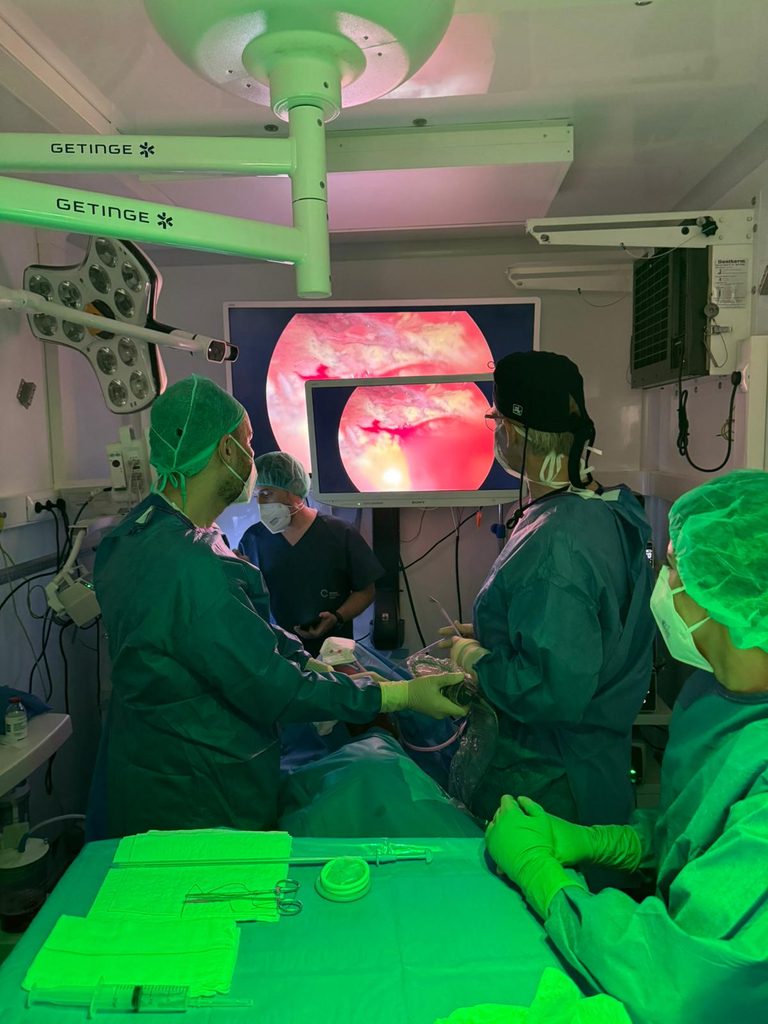
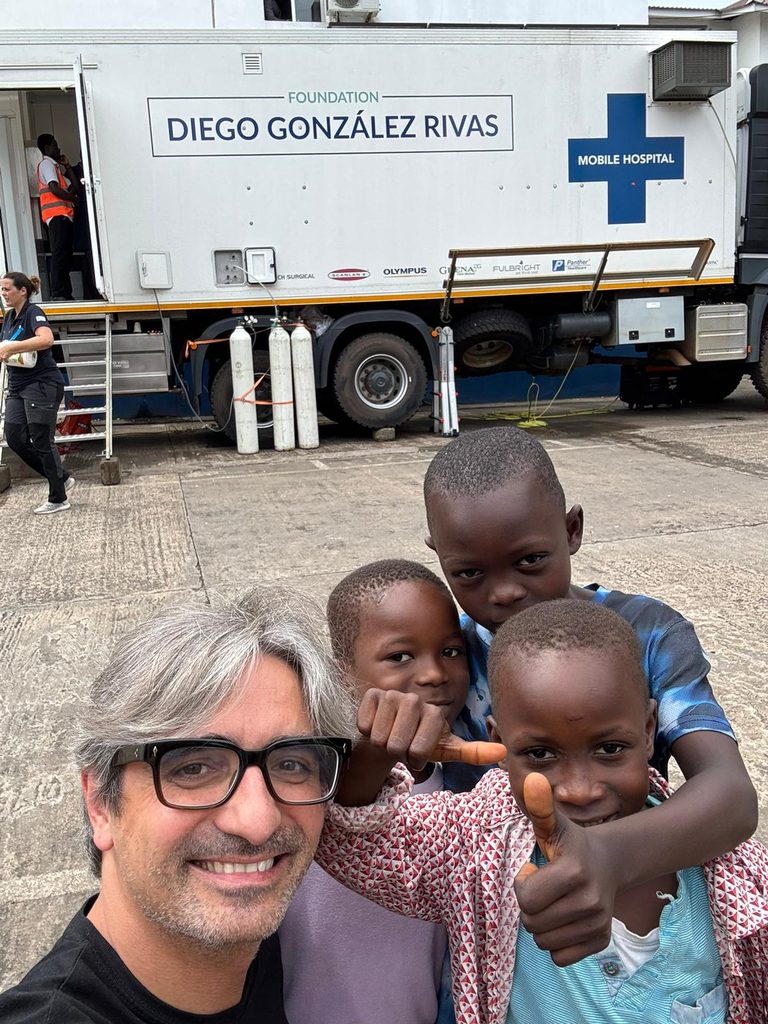
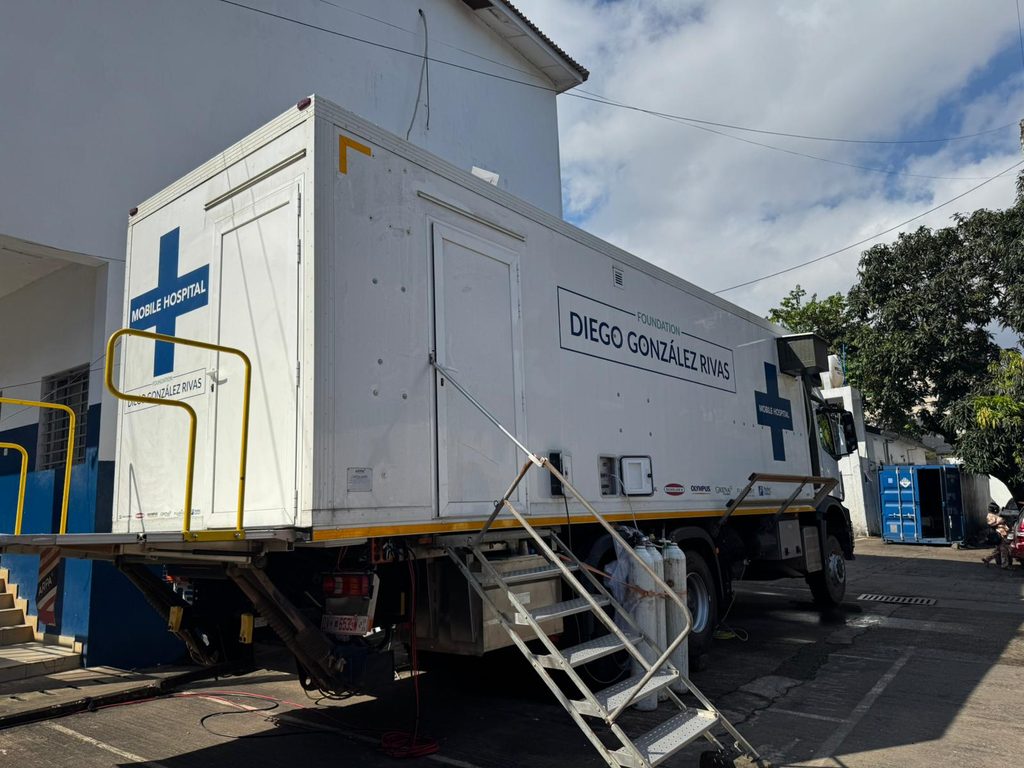
The Diego González Rivas Foundation has successfully completed a new surgical mission in Sierra Leone. Over two days, the team led by Dr Diego González Rivas operated on five patients, two on the first day and three on the second, using the Foundation’s Mobile Surgical Unit installed at Connaught Hospital.
The mission represented much more than five surgical procedures. Sierra Leone provided an opportunity to demonstrate, in real-world conditions, the potential of a project specifically designed to bring advanced thoracic surgery to places where limitations in healthcare infrastructure make access to these procedures difficult.
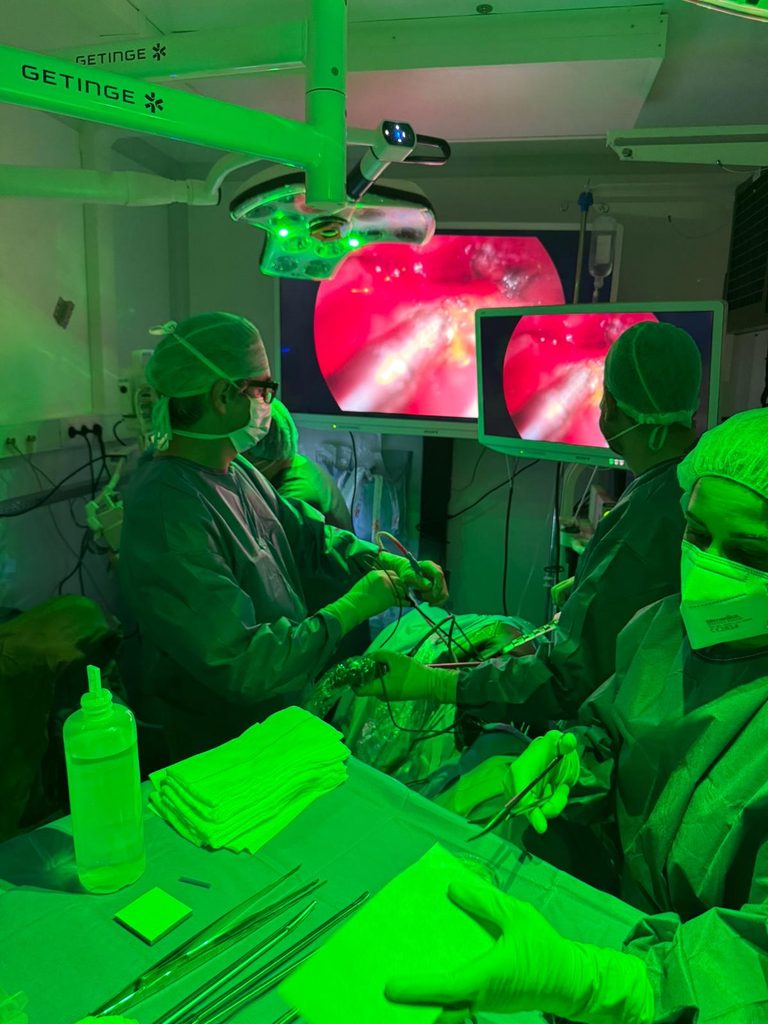
Throughout the mission, the Mobile Surgical Unit operated as an advanced surgical theatre equipped with everything required to perform the procedures, while also functioning as an infrastructure capable of maintaining a permanent connection with Spain via Starlink.
This connectivity provided Wi-Fi throughout the mission and enabled the Unit to be monitored and controlled in real time from Spain, allowing its systems to be supervised and technical support to be provided from thousands of kilometres away.
Technical work that began before the first operation
Before the medical team could begin operating, the Mobile Surgical Unit required extensive technical preparation. Víctor and Leticia, technicians from CIFP As Mercedes in Lugo, travelled to Sierra Leone to work on site and prepare the Unit for the surgical mission.
Among the work carried out were improvements to the climate control system and the installation and deployment of solar panels, which were essential to strengthen the energy capacity of an infrastructure designed to operate in environments very different from those of a conventional hospital.
From Spain, Alberto Pereira provided remote technical support. The Starlink connection made it possible to maintain constant communication between the two countries and to monitor and control the Unit’s systems in real time.
The importance of this technical work became particularly evident during the surgical programme. At one point during the mission, the hospital suffered a power outage, while the Mobile Surgical Unit was able to remain operational and the team continued its work.
After completing the procedures, González Rivas praised the “outstanding work” carried out by Víctor Paz and Leticia Conde in preparing the Unit and highlighted the importance of having both solar panels and a permanent Starlink connection.
Five patients in two days
Once the Unit was ready, the surgical programme began. The team performed two procedures on the first day and three more on the second, completing the five planned operations.
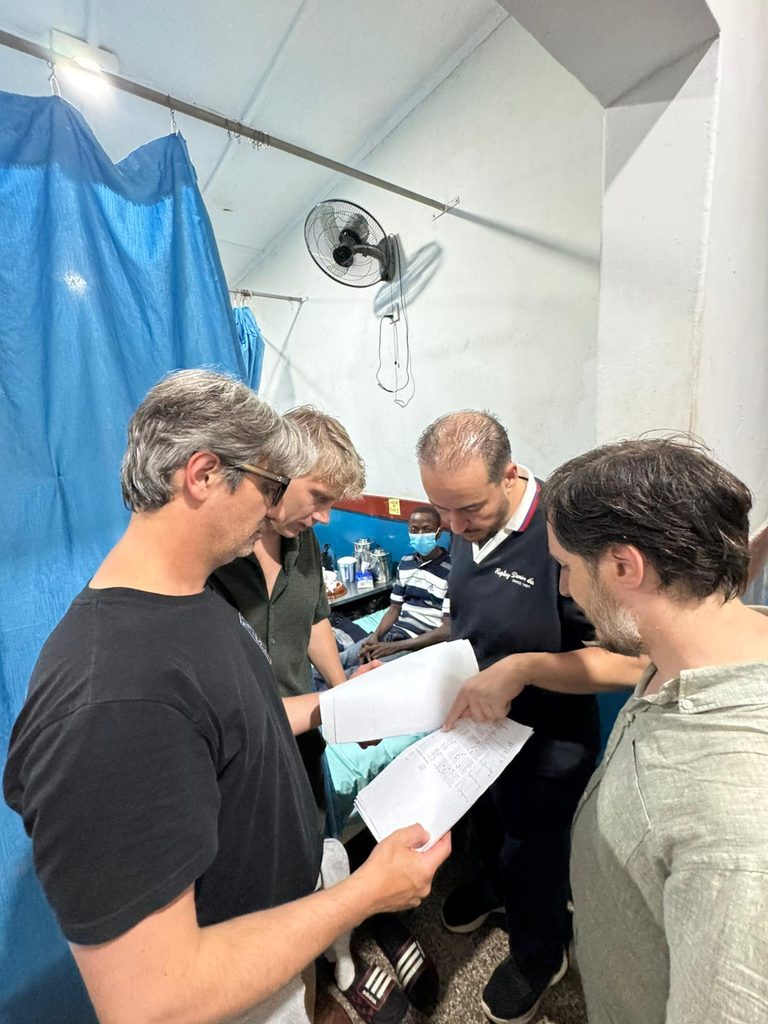
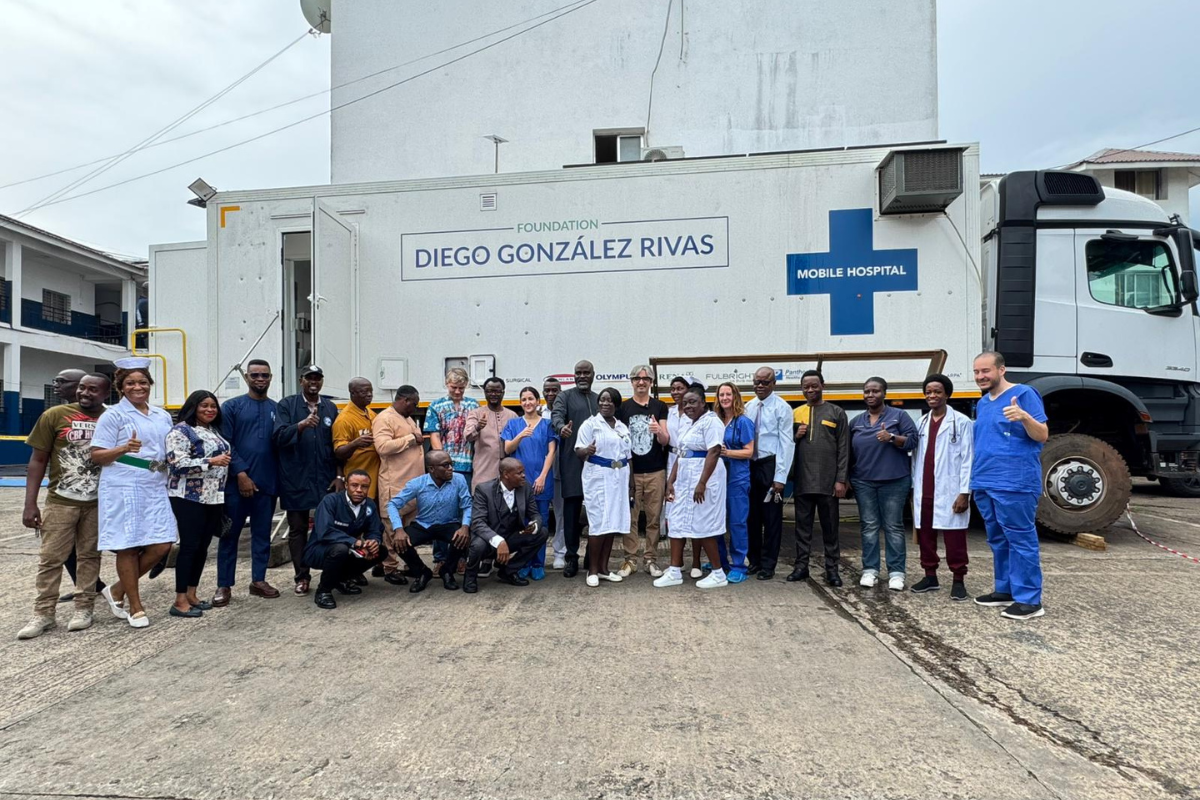
González Rivas was joined by an international medical team comprising anaesthesiologists, nurses and other healthcare professionals, working in coordination with local medical staff. Regular members of the Foundation’s missions included anaesthesiologist Radu Podaru, Dutch surgeon Tom Gresnigt, Libyan German surgeon Husam Enaami, and nurses Lorena Cantero and Silvia Contreras.
Images from the mission also reflect one of the key objectives behind the Foundation’s work: collaborating closely with healthcare professionals in the countries it visits and turning each procedure into an opportunity to share knowledge and experience.
“Mission accomplished. Five patients operated on, two on the first day and three on the second. Everything went very well; we are extremely happy,” González Rivas said at the end of the surgical programme.
A mission followed by the Sierra Leonean media
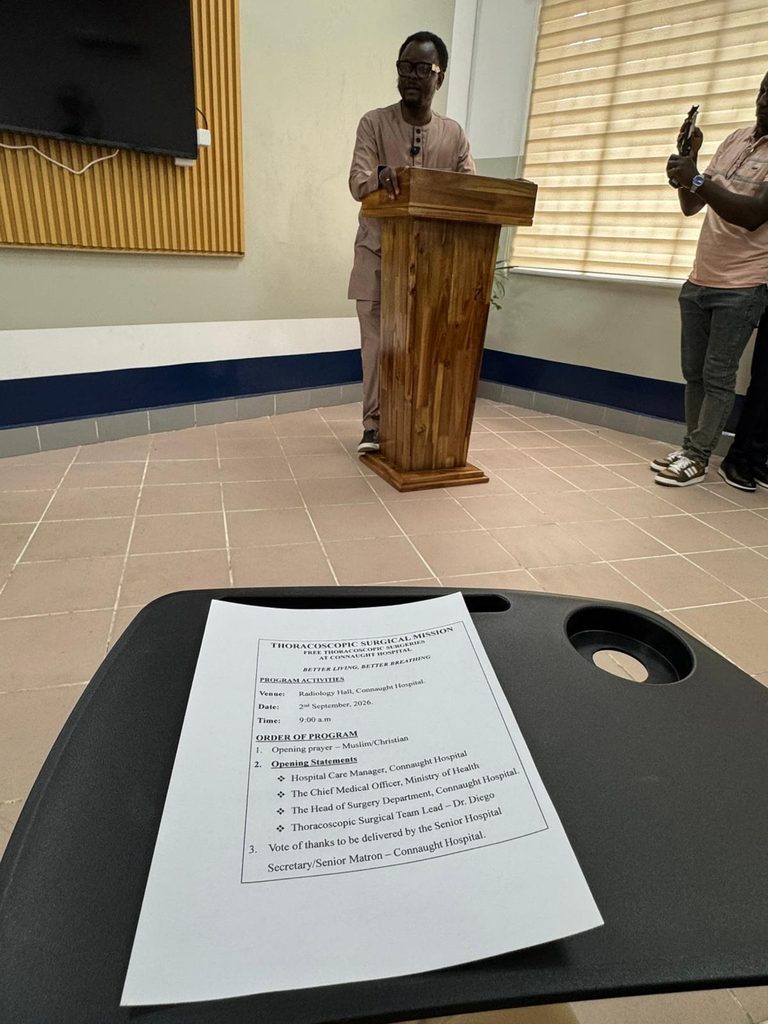
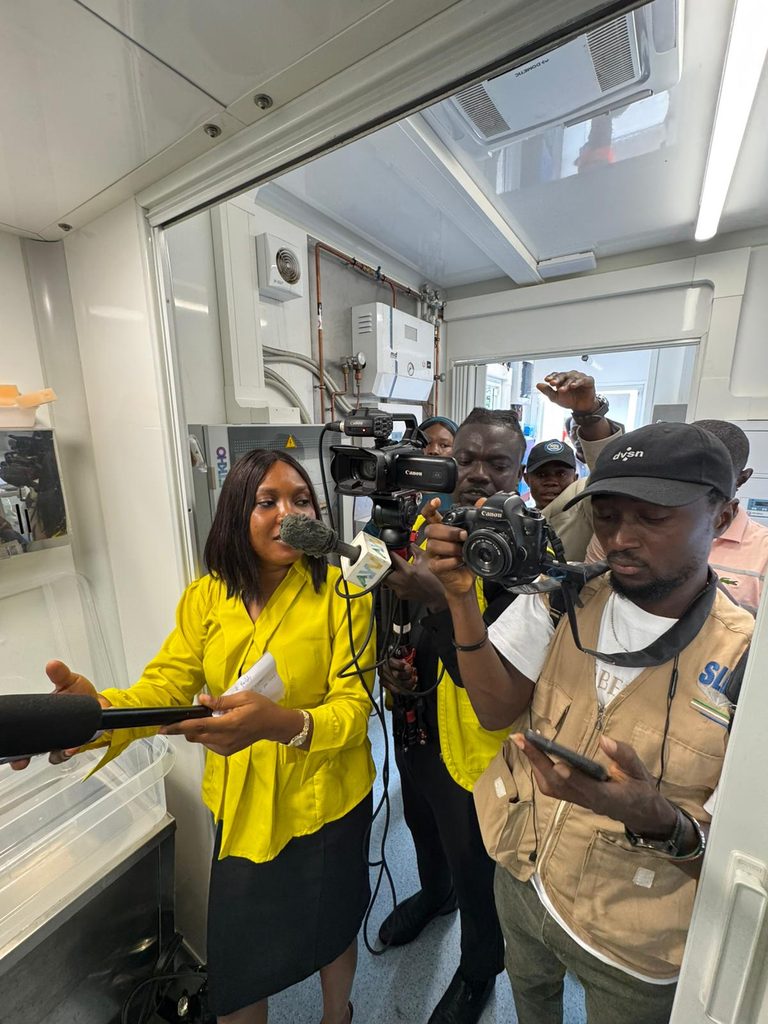
The arrival of the team and the surgical procedures also attracted significant media attention in Sierra Leone. Television, newspapers and other local media outlets followed the mission, which was presented at Connaught Hospital as the Thoracoscopic Surgical Mission, under the slogan Better living, better breathing.
The official programme announced free thoracoscopic surgeries at the hospital and brought together healthcare officials and institutional representatives from across the country.
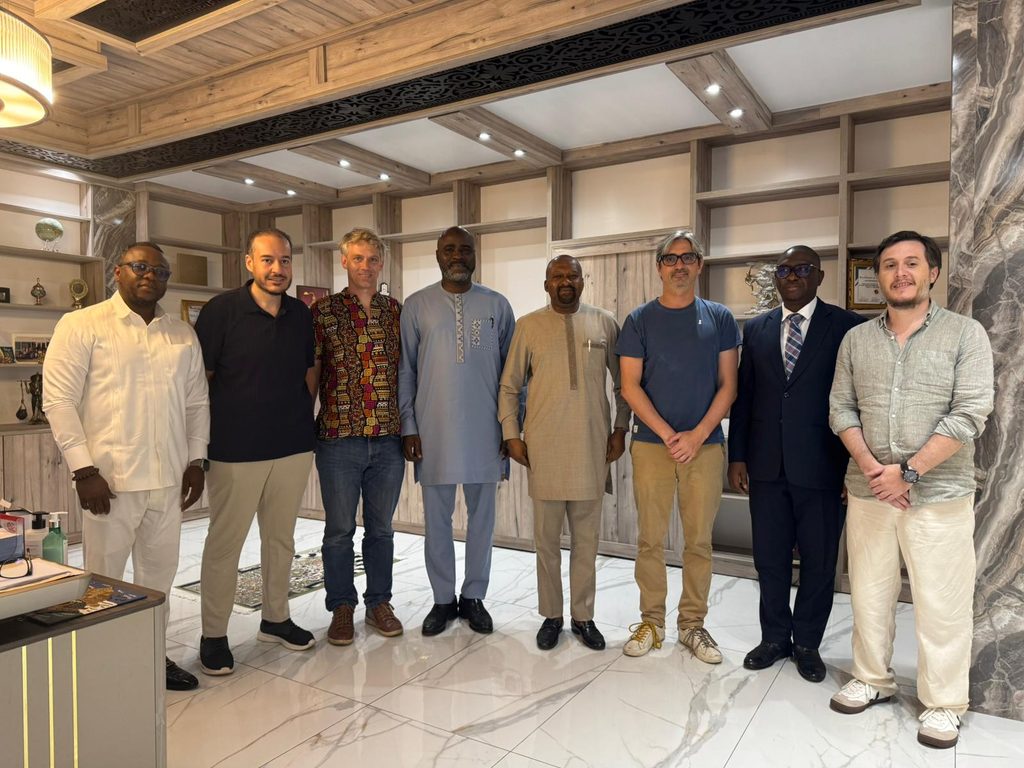
After the surgical programme was completed, Diego González Rivas was received by the Vice President of Sierra Leone, who expressed his satisfaction with the outcome of the mission.
The meeting provided an institutional conclusion to several days of work in which surgeons, anaesthesiologists, nurses, technicians and local healthcare professionals worked together to make surgery possible for five patients.
Sierra Leone will continue in 2027
The mission has come to an end, but the project in Sierra Leone will continue. González Rivas confirmed that a new mission for next year is already being prepared.
The experience also provided the Foundation with particularly important evidence of the Mobile Surgical Unit’s potential. It can become a powerful tool for bringing highly complex surgery to places where it is needed most, reducing dependence on the infrastructure available at each destination.
Sierra Leone demonstrated this in a particularly striking way: while operations were taking place inside the Unit, technicians were working outside; solar panels strengthened its energy autonomy; Starlink maintained a permanent connection with Spain; and, thousands of kilometres away, the technical team could monitor the Unit’s systems in real time.
Behind each of the five procedures was therefore a network of professionals working towards the same goal: surgery, technology, cooperation and knowledge brought together to serve patients who would otherwise have very limited access to these procedures.